
The update to Google Search Console in February 2026 changes how Google wants publishers to think about quality, performance, and visibility. Google didn’t add any new tools or metrics. Instead, it made the data that was already there better so that it could better show how people really rate content, especially when it comes to Discover and recommendation-driven exposure.
This update is important because it shows site owners how Google rates content. In short, Search Console is now more open about why some content does well and some doesn’t.
Why do people think the February 2026 update is a change in structure instead of a change in features?
The update is structural because it changes how we think about things, not how they look. Google didn’t add any new buttons or reports. Instead, it made Search Console data work better with its newer systems for ranking and recommending.
Because search is becoming less dependent on queries and more predictive, Google needed reporting tools that show how people really find content today. This update makes it easier to do that.
What does this change mean for Google’s search strategy as a whole?
Google’s long-term goal is clear: they want to give users information that shows they really understand, are trustworthy, and are useful before they even ask. The update in February 2026 makes this even better by making it easier to see performance signals for surfaces other than search, like Discover.
Search Console is more than just a way to get reports. This is a way to check the quality of the content right now.
How did Google Discover become the most important part of this update?
Google Discover is very important because it shows discovery that doesn’t mean anything. People aren’t paying attention. Google is making a choice.
The February 2026 update makes it easier to see what users are interested in over a longer period of time, not just for a short time.
Why do more people visit Discover after the update?
Google is testing deeper relevance signals right now, so Discover traffic isn’t as stable. People are less likely to see content that doesn’t keep their interest, doesn’t give them a lot of context, or isn’t clearly meant for a certain group of people.
This isn’t just a coincidence. It shows that Google is still trying to figure out what content to show.
Does Discover still like to try new things?
It’s still important to be new, but it’s not more important than having substance. Content that gives useful information quickly and for a long time does better than content that is published quickly but doesn’t go into much depth.
Discover now gives rewards for things that have been around for a while, not just new ones.
What happened to Google Search Console reports after February 2026?
The reports in the Search Console look the same, but they are easier to read. The impressions, clicks, and Discover data now fit better with how Google rates the quality of content and trust signals.
This makes it easier to find bad content, even if it used to get a lot of visitors.
What does it mean when an update makes performance worse?
If your performance goes down, it doesn’t mean your feelings are wrong; it means there’s a problem. If your rankings go down, it usually means that the content doesn’t meet Google’s standards for surfaces that recommend things anymore.
Instead of deleting it, you should look at it.
Will this update change the order of the rankings?
With this update, direct rankings stay the same. Search Console now shows the results of more than one system for ranking and quality more accurately.
It’s like mirrors that are easier to see through, but the goalposts don’t move.
How does the February 2026 update help E-E-A-T reach its goals?
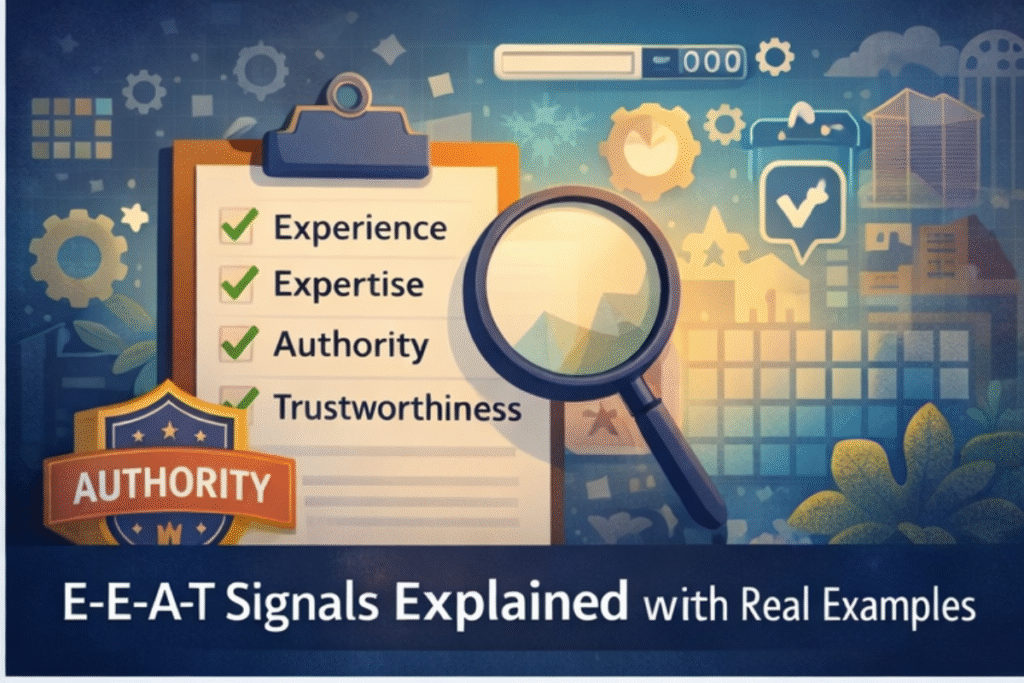
- The update improves E-E-A-T by giving points to content that shows:
- Experience in person
- Knowing what the subject is about
- Clearly defined authorship and accountability
- A trustworthy presentation and goal
- Google is making it easier to tell which content meets these standards and which doesn’t.
Why is it easier to see the first “E,” Experience, now?
Discover works better with content that comes from real life or practical knowledge because it gives context that algorithms can’t easily make up.
This is very important because many AI-generated summaries sound the same.
How does the author’s expertise help you find the book?
When it’s clear who wrote something, it’s on topic, and the author knows what they’re talking about, Google gives it authority. Over time, this makes it more likely that someone will suggest you for exposure.
It’s hard for content that isn’t focused and doesn’t have a name to stay visible.
What do trust signals in headlines and visual integrity mean?
People don’t trust you when your headlines are wrong and your pictures are too big. Google is getting better at keeping this kind of stuff out of Discover.
A clear link between the title, preview, and body of the content helps it stay visible over time.
What should website owners do to become experts in their field after this change?
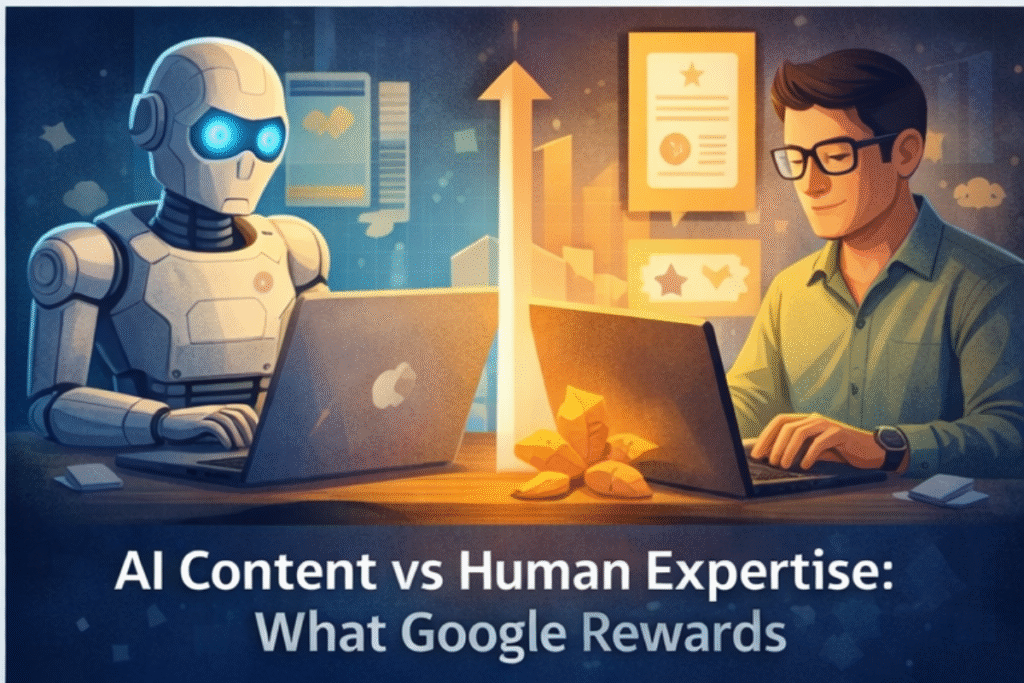
To become an expert on a subject, you need to write regularly, in depth, and with discipline. The update from February 2026 says that websites that go into more detail about a topic will rank higher than those that only talk about it when it suits them.
Having a pillar-and-cluster model is more important than ever.
Should you organize content by topic rather than by keyword?
Yes. Google knows more about things than just keywords. Content clusters help you show that you know what you’re talking about, that it’s important, and that you have the right to talk about it.
You should start your search for related topics on this pillar page.
What should you do with things you no longer need?
To see how useful it is, you should look at older content. If it still meets the user’s needs, it should be updated. If it doesn’t add value anymore, it should be combined with something else or removed.
Pruning with care makes trust signals stronger.
Does AI-assisted content get in trouble on its own?
No, AI-assisted content is fine as long as it is based on what people know, how they edit it, and what it is for. The update shows content that doesn’t need a lot of work, not AI itself.
People still choose differently, though.
What does this new information mean for Google Search’s future?
In the future, what you want, trust, and context will all play a role in search. People used to get points from Google for how much they knew. Now, they get points for how well they understand.
As Search Console changes, that future is becoming clearer.
Frequently Asked Questions (FAQ)
Q1. What is the main goal of the Google Search Console update that will happen in February 2026?
A1. The main goal is to make performance reports match how Google rates the quality, relevance, and trustworthiness of content on Search and Discover.
Q2. Will this update change the order in which results come up naturally?
A2. The rankings don’t change right away after the update. It doesn’t change how rankings are given; it just makes it easier to report results.
Q3. Why did Discover’s traffic change, but not the traffic from search engines?
A3. Discover doesn’t use queries; it uses signals to make recommendations. It is still possible for content to get a high rank even if it doesn’t qualify for Discover.
Q4. Is this update good for websites that are small or only do one thing?
A4. Yes. Smaller, more focused sites that know what they’re talking about often do better than bigger, more general ones.
Q5. Should websites still work to get higher rankings on Google Discover?
A5. Yes, but optimization should be more about making things clear, showing that you know what you’re talking about, and making sure the content is relevant to the audience than getting clicks.
Final Thoughts: How This Update Makes the Ecosystem Better
The update to Google Search Console in February 2026 doesn’t hurt creators. It rewards people who are responsible. It likes depth over speed and clarity over noise.
This update doesn’t stop publishers from building authority instead of going after spikes. It will be useful for a long time.
Content Clusters to Help Your Pillar Page Get Bigger